

South Korean government discriminated against Coupang, U.S. companies, House report finds
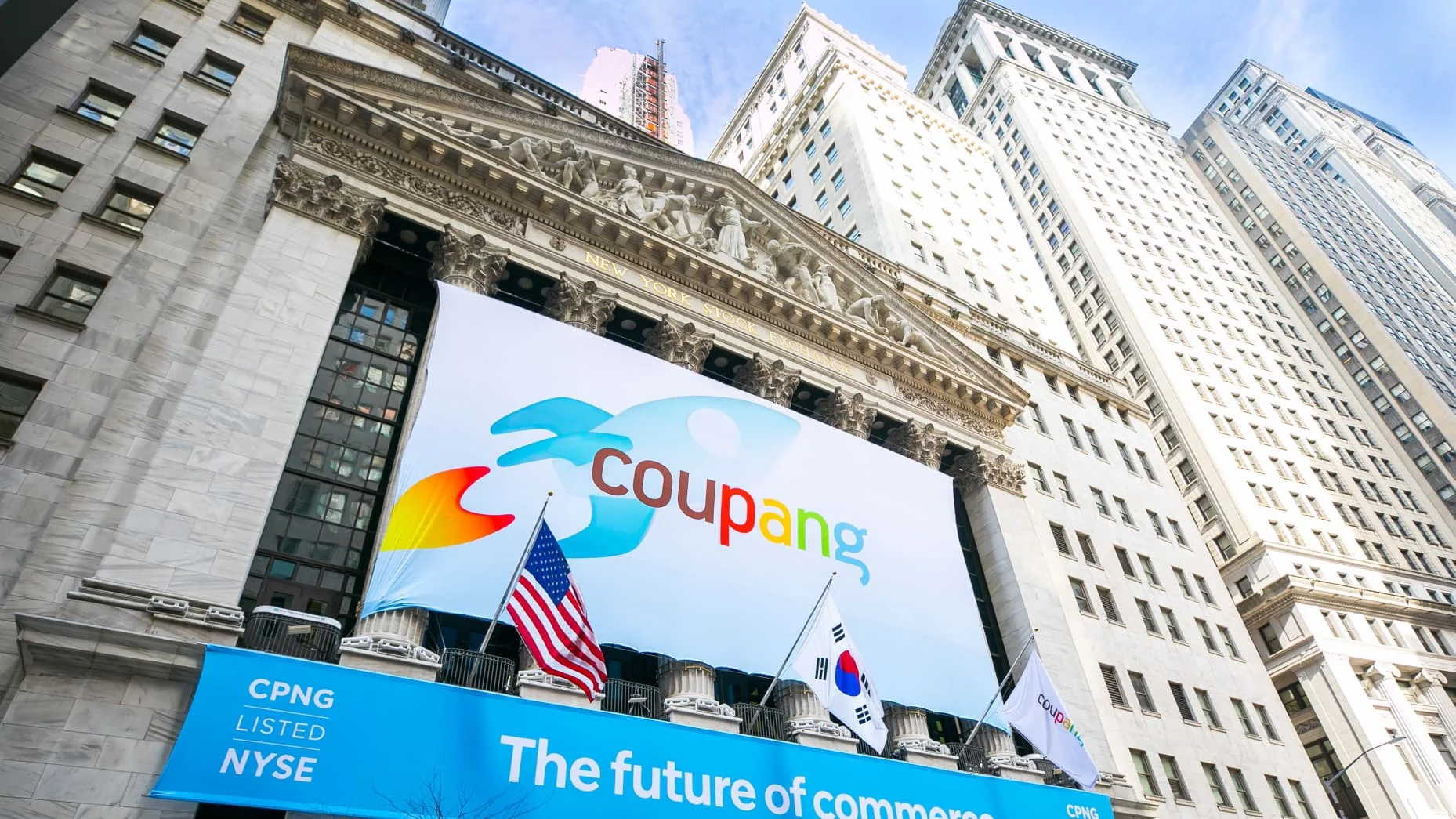
The House Judiciary Committee report released Wednesday says the South Korean government has used its regulatory authority to discriminate against U.S. companies and has waged an unprecedented campaign against online retailer Coupang, known as the “Amazon of Asia.”
The report stems from an investigation opened by the committee in February and highlights the treatment of Coupang, a U.S.-based company, along with other U.S. companies going back decades.
“South Korea’s conduct is part of a broader attempt by foreign governments to weaponize their laws and regulations in an effort to harm American companies and limit their ability to compete in the global economy,” the committee reported, chaired by Rep. Jim Jordan, R-Ohio.
South Korean government response and White House concern
The South Korean embassy, on behalf of the government, said it “regrets that the interim staff report published by the U.S. House Judiciary Committee published appears to be largely based on the unilateral assertions of Coupang and respectfully disagrees with several characterizations in the report.”
A White House official said in an emailed statement that Coupang has been “singled out” and that the Trump administration is “deeply concerned with the ROK government’s discriminatory targeting of U.S. technology companies,” adding that the administration will not tolerate unfair trade practices that limit market access for U.S. digital services.
A spokesperson for the House Judiciary Committee said the panel stands by its report, stating it is based on contemporaneous documents and testimony.
Data breach background and alleged escalation in 2025
The committee said the discriminatory pressure intensified in 2025 after a data breach perpetrated by a disgruntled former employee.
The report says the breach affected 37.55 million people, while also stating that the former employee only stored and retained information associated with around 3,000 accounts.
Coupang apologized for the breach and its CEO Park Dae-jun resigned after the incident.
According to testimony from Coupang’s acting CEO Harold Rogers, South Korean officials were informed that month that the scale was smaller than initially expected and that the leak was limited, according to the House Judiciary report.
Allegations of investigations, fines, and covert actions
The committee found that despite that information, the South Korean government launched a campaign against Coupang that included dozens of investigations, thousands of document requests, excessive fines and threats of criminal charges against Rogers, a U.S. citizen.
It also said the South Korean National Intelligence Service compelled Coupang to send divers on a covert mission to retrieve a laptop used by the disgruntled former employee, discarded in a river in Shanghai, and then lied to the public about its involvement in the recovery operation.
Coupang said it remains committed to a constructive resolution so the company can serve as a bridge to strengthen the U.S.-Korea alliance, accelerating trade and investment that benefits both countries.
Market impact and dispute over trade agreement
The committee said the campaign against Coupang has resulted in more than a 40% drop in Coupang’s market capitalization and could negatively affect its investors.
The report also states regulators have consistently targeted Coupang with hostile regulatory treatment, unfair enforcement practices, and disproportionately large penalties not faced by its Korean competitors.
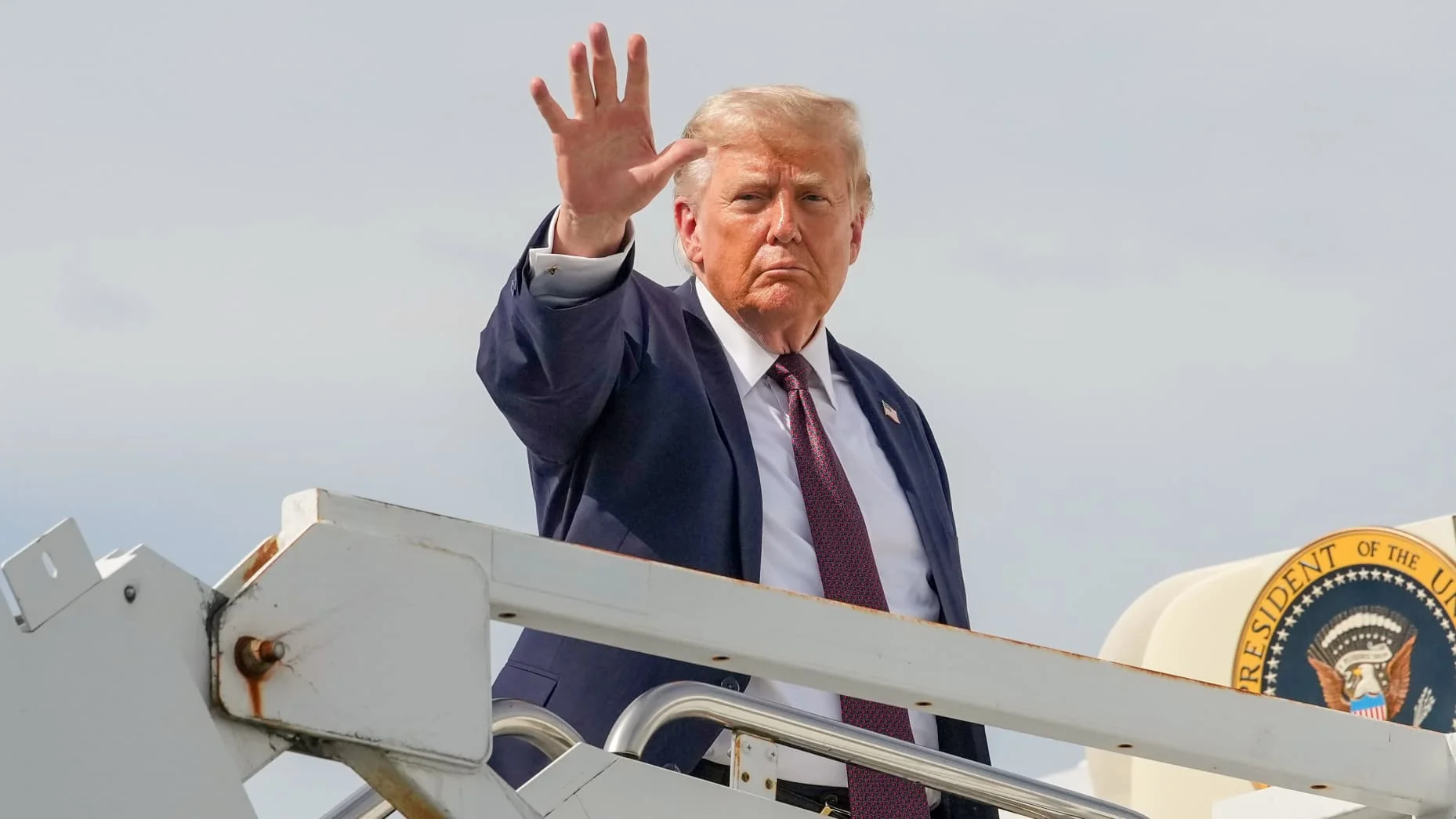
The U.S. and South Korea have had a free trade agreement since 2012, and it was renegotiated in 2025 as part of President Donald Trump’s global tariffs framework. The House Judiciary Committee argued South Korea’s actions against Coupang violate the trade deal.
The report states South Korea’s discriminatory treatment of American-owned businesses directly violates its recent trade agreement with the United States.
South Korea’s government said it values its strategic partnership with the U.S. and will continue to engage closely with U.S. policymakers to provide accurate information and further strengthen the economic partnership between the two countries.